
What Changes When You Go From One Location to Multiple Locations
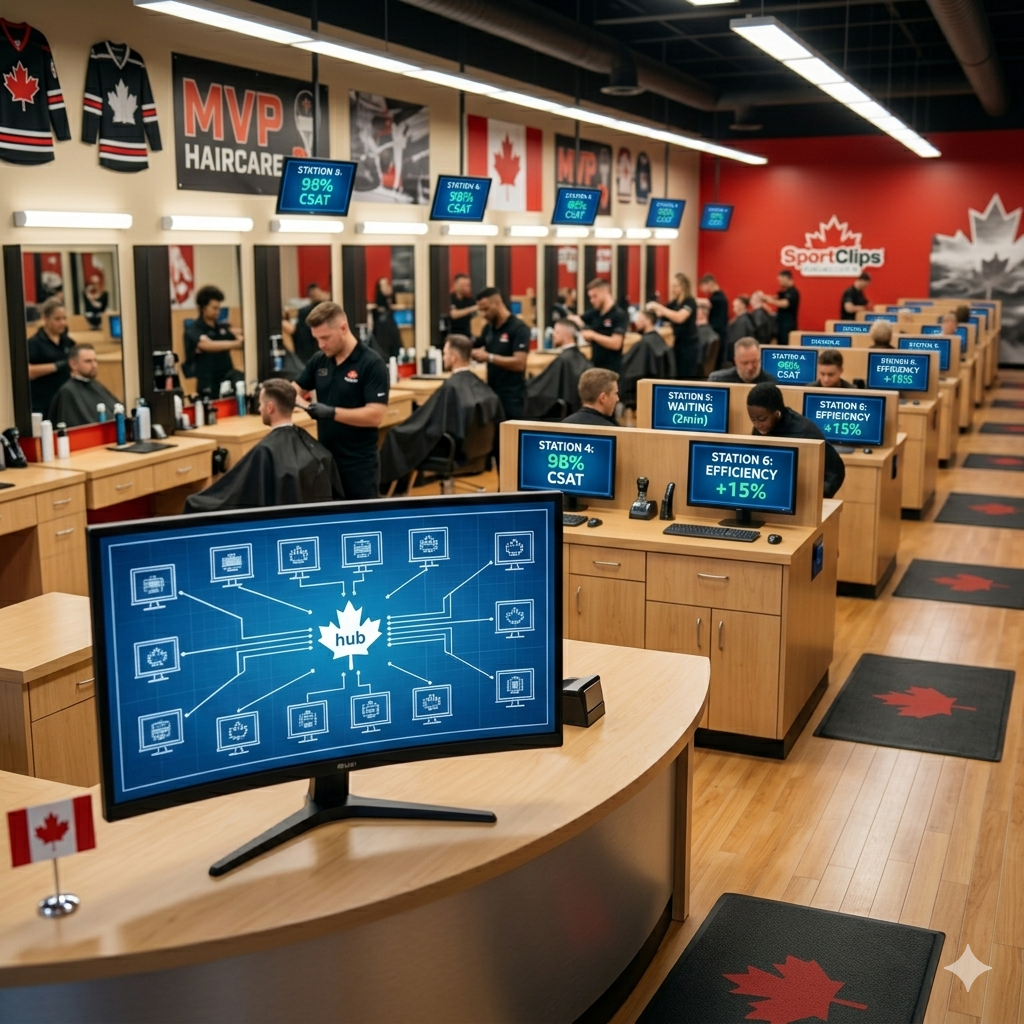
Running a single location and running multiple locations might seem similar from the outside, but in reality, they are very different stages of business.
When you operate one location, you can stay closely involved in day-to-day operations. You can solve problems quickly, step in when needed, and maintain control over most of what happens.
Once you move into multiple locations, that approach no longer works the same way.
The biggest change is that you can no longer rely on direct involvement to keep things running smoothly. You have to rely on people, systems, and leadership layers.
This means your role shifts from being focused on daily execution to being focused on consistency across teams and locations.
Communication becomes more important. Training becomes more structured. Expectations need to be clearer. And leadership development becomes a priority instead of an option.
Another major shift is learning to let go of control in the right way. You still care deeply about standards and outcomes, but you cannot personally manage every detail anymore.
Instead, you build managers who can own those details and execute at a high level without constant oversight.
Scaling also exposes weaknesses faster. Things that might be manageable in one location become clear issues when multiplied. That is why systems and leadership development become critical early in the growth process.
The biggest opportunity in moving from one location to multiple is leverage. When systems and people are strong, success can be replicated instead of rebuilt each time.
That is when real growth becomes possible.
Don’t rebuild; replicate success. Learn how our proven model is perfectly structured for multi-unit growth in Canada.